

Top Tips for Remote Workforce Management Success
About 13% of full-time U.S. employees work fully remote, with another roughly 26% working a hybrid schedule, according to recent labor data. Remote work is now a permanent fixture for a meaningful share of teams, and managing productivity, communication, and accountability without a shared office has become a core skill rather than a stopgap.
Here are seven strategies that actually help, along with where time tracking fits into a few of them.
Prioritize Clear Communication
Remote team management starts with clear communication. Set up regular meetings and check-ins so everyone stays aligned, and use plain, direct language in written updates, it cuts down on the back-and-forth that vague instructions tend to create.
Set Clear Expectations and Goals
Clear expectations are the foundation of any successful remote team. When people know exactly what’s expected of them, they spend less time guessing and more time doing the work. Specific, measurable goals with real deadlines mean less time spent re-explaining and re-doing work that missed the mark the first time.
Track Time Accurately
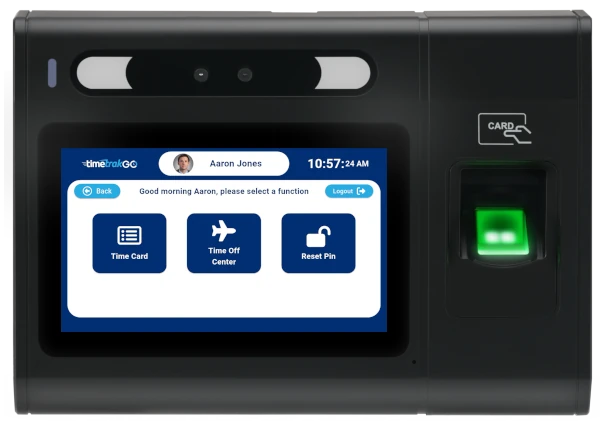
Time tracking does two things for a remote team: it logs hours correctly, and it gives managers a real picture of workload and capacity instead of a guess. TimeTrakGO’s web-based and mobile clocks work the same way for remote employees as they do in the office, so you’re not relying on a different system, or someone’s word, for hours worked off-site.
Build a Collaborative Culture
Virtual team coordination takes more intention than in-person coordination does. Tools that mimic the interactive parts of a physical office help:
- Instant messaging
- Video calls
- Real-time document collaboration
Teams that actually use these consistently tend to report higher satisfaction, mostly because people stop feeling like they’re working in isolation.
Offer Flexibility Without Losing Accountability
Flexibility is one of the biggest advantages of remote work, but it has to be paired with real accountability or it turns into ambiguity. Accurate time and schedule data lets managers track progress without watching over anyone’s shoulder, so tasks stay on schedule and flexibility doesn’t turn into a loophole.
Check In on Employee Well-Being
Remote management should include some way of catching burnout before it shows up in the work. Occasional wellness check-ins and informal virtual social time help surface problems early, while they’re still easy to address.
Use Data to Guide Decisions
Decisions about staffing, scheduling, and workload hold up better with real data behind them than with a gut call. TimeTrakGO’s dashboard and reporting give you an actual view of hours, attendance patterns, and overtime trends, so scheduling and staffing decisions are based on what’s actually happening.
Manage Your Remote Team With Confidence
None of these seven strategies require a complete overhaul, clear communication, real goals, accurate time data, intentional collaboration, and a way to check in on people cover most of what remote management actually comes down to.
TimeTrakGO handles the time-tracking and reporting piece specifically: accurate hours regardless of where someone’s working from, real-time visibility for managers, and data you can actually use to make staffing decisions. Start your 14-day free trial to see how it fits your remote team.
About the Author: Matt Davis